Celler Pardas
Celler Pardas is an organic estate in the Alt Penedès, Catalonia, making still and sparkling wine from the region's own grapes: Xarel·lo, Sumoll and Malvasia de Sitges. Ramon Parera and Jordi Arnan founded it in 1996 at Can Comas, an abandoned farm in the Riudebitlles valley, and made their first wine in 2004. Today they farm about 65 hectares around Torrelavit and Sant Pere de Riudebitlles and make roughly 110,000 bottles a year. The wines are saline and mineral rather than fruity, and Pardas holds them in bottle until they are ready, which is why they reach us with some age.
New vintages have arrived in Ontario and are clearing the LCBO. Wines marked sold out below will be available as soon as they're released. Email info@cosechaimports.com and we'll let you know.
The wines
- Hermós Corpinnat 2021: sparkling, 80% Xarel·lo and 20% Sumoll, more than 40 months on its lees. 95+ points, The Wine Advocate.
- Blau Cru 2023: 100% Malvasia de Sitges, salty and outgoing. 96 points, The Wine Advocate.
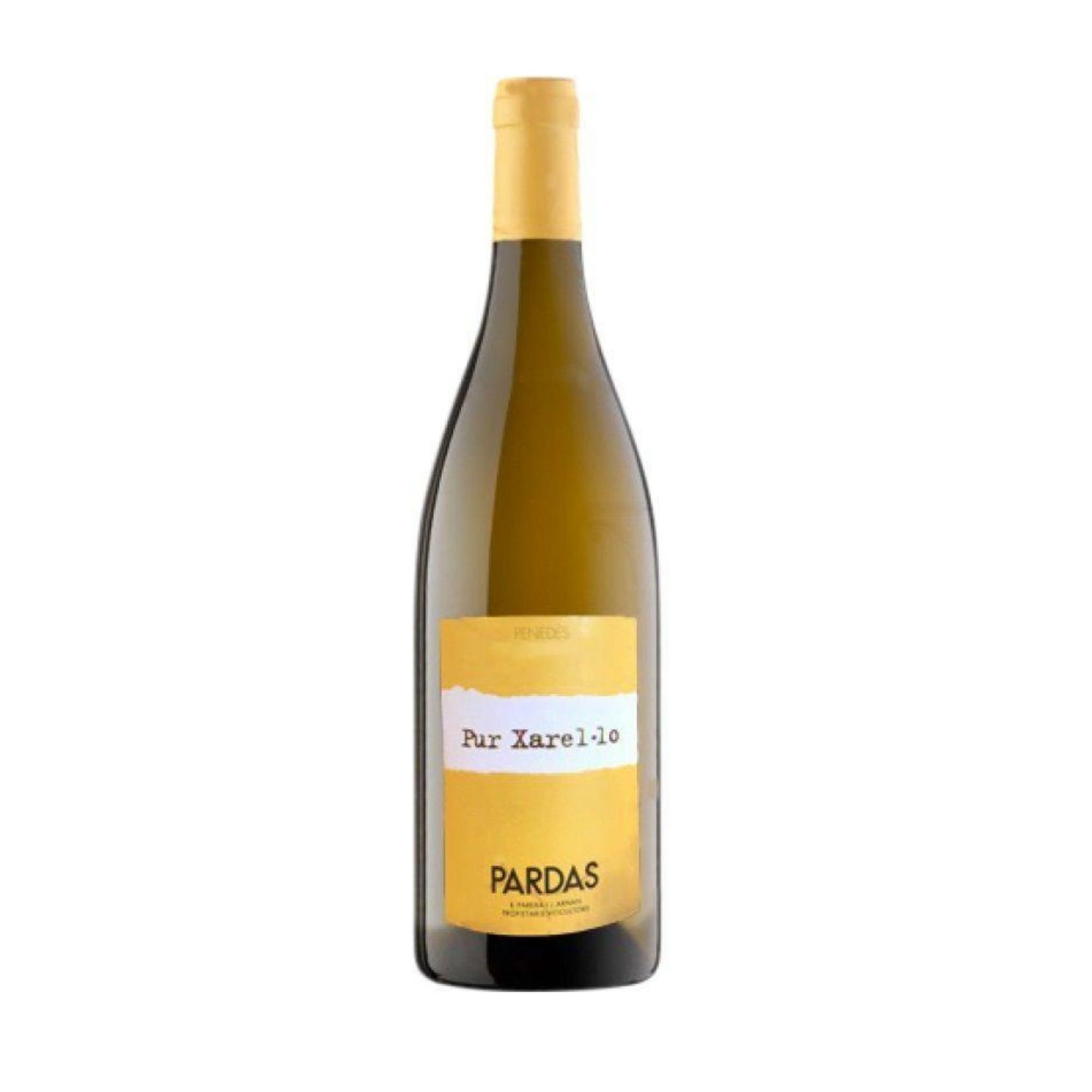
- Pur Xarel·lo 2021: old-vine Xarel·lo from oak and concrete egg, the first wine Pardas ever made. 93 points, The Wine Advocate.
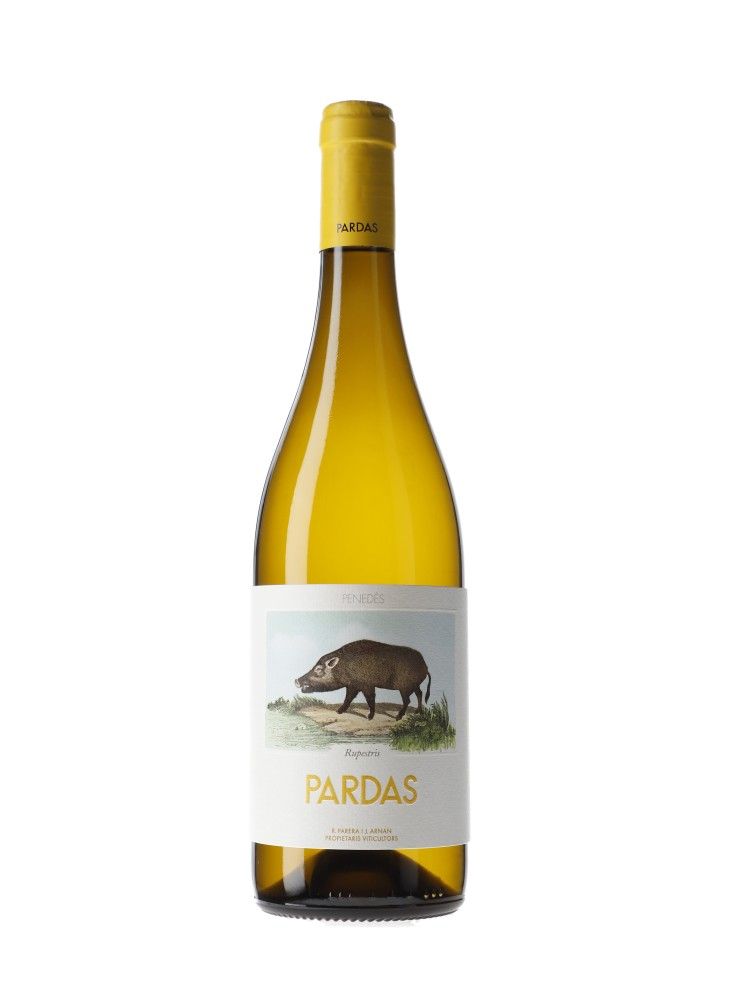
- Rupestris 2024: the entry white, 60% Xarel·lo and 40% Malvasia de Sitges, 11.5%. 92+ points, The Wine Advocate.
- Polar Boar: skin-contact Xarel·lo made with Cosecha Imports. Jason has worked harvest at Can Comas since 2016.
- Sumoll Rosado 2025: dry, saline rosé of Sumoll, made every vintage since 2004.
- Sus Scrofa 2023: 100% Sumoll, fresh and fluid, no oak. 93 points, The Wine Advocate.
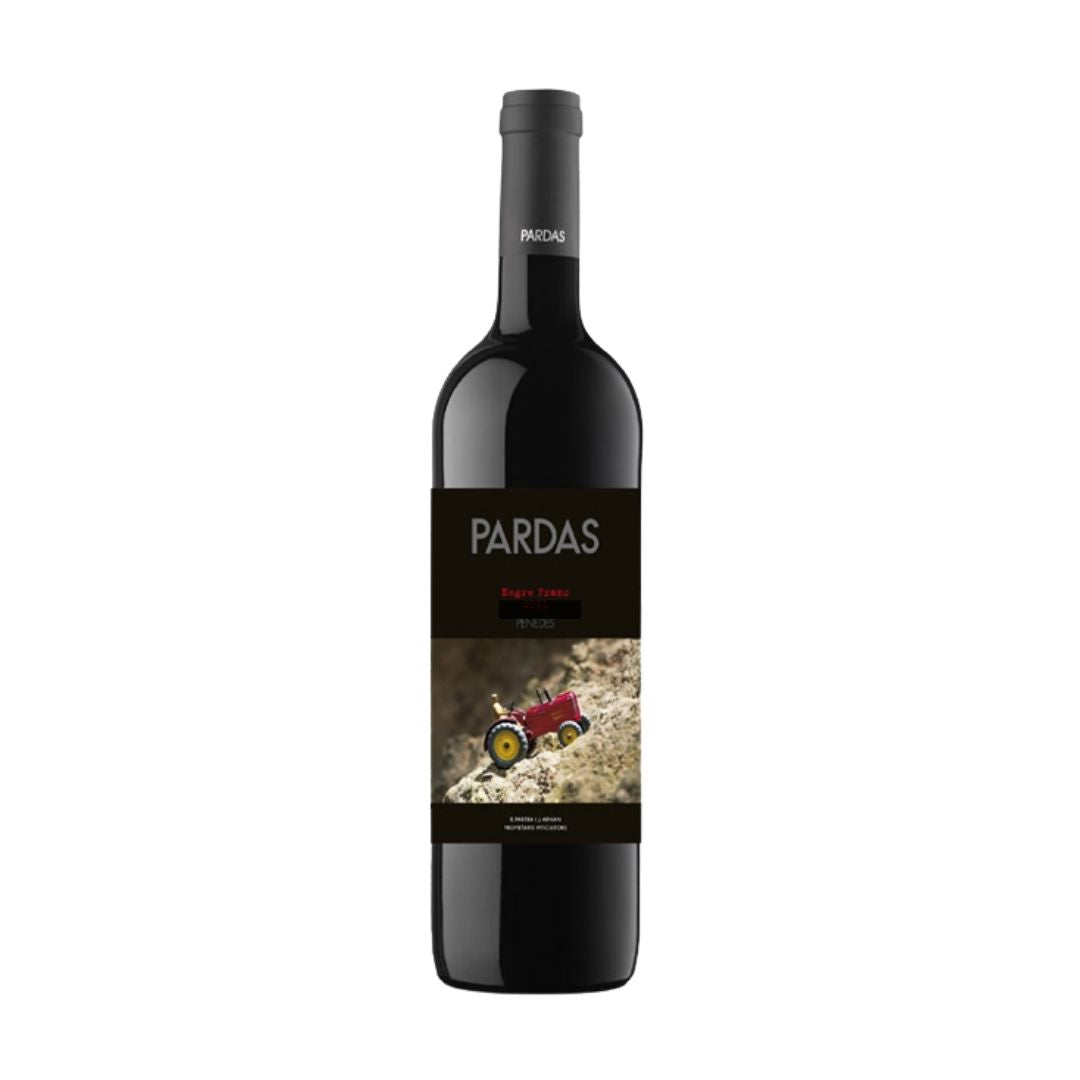
- Negre Franc 2019: the flagship red, Cabernet Franc with Cabernet Sauvignon and Sumoll.
Mixed 6-packs, two bottles each of three wines, at the same per-bottle price as buying by the case:
- Xarel·lo Three Ways: Pur Xarel·lo, Polar Boar and Hermós. The same grape still, on its skins and sparkling.
- Xarel·lo & Malvasia: Pur Xarel·lo, Polar Boar and Blau Cru. The estate's two white grapes side by side.
- White to Red: Rupestris, Sus Scrofa and Negre Franc. From the saline white to the structured red, lightest to fullest.
The estate and the grapes
When Ramon and Jordi found Can Comas, it was 60 hectares of overgrown forest and pasture around a ruined medieval farmhouse, damaged in the Spanish Civil War, with its old cellar still intact. They restored the buildings and replanted, much of it from their own cuttings of old local vines. The soils are poor clay and limestone over a hard chalky layer, and that limestone is what you taste in the wines. Pardas champions grapes the Penedès had pushed aside. They now farm about 15 hectares of Sumoll, a native red that stays fresh and low in alcohol even in hot years. And they helped save Malvasia de Sitges, which was down to about two hectares around the town of Sitges.
How they farm and make wine
No herbicides or pesticides, no ploughing, cover crops left on the soil, and everything picked by hand. Fermentation is with native yeasts in concrete, steel and a few 500-litre barrels. The whites never go through malolactic, which keeps them taut. Pardas began making sparkling wine in 2017 as a member of Corpinnat, the group of Penedès growers who left Cava. Luis Gutiérrez of The Wine Advocate calls their sparklings "serious white wines that happen to have bubbles."
Ramon is also a serious record collector, with more than 3,000 records.